
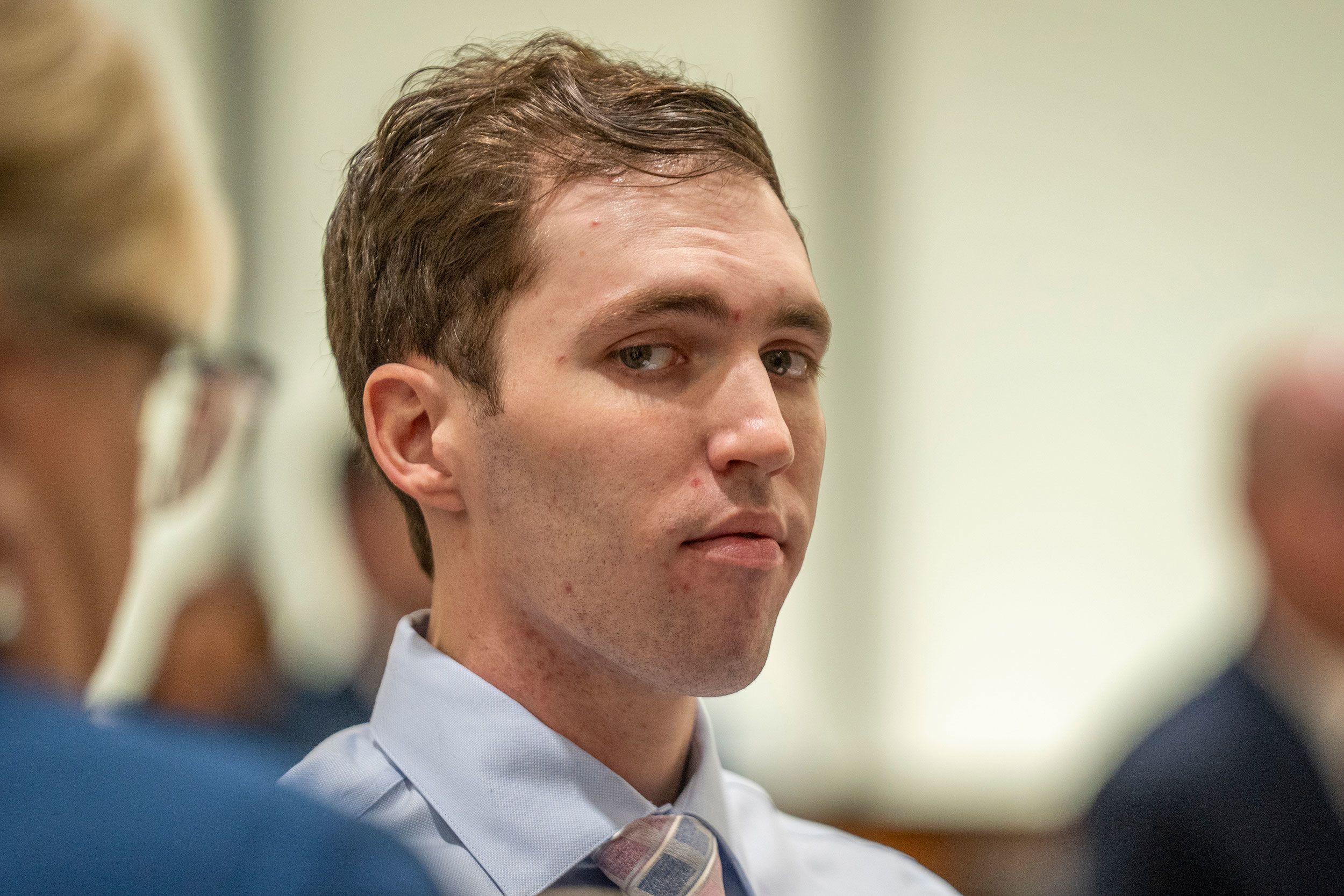
Tyler Robinson, the 22 year old man accused of fatally shooting conservative activist Charlie Kirk, made his first in person court appearance on December 11, 2025, in Provo, Utah.
The hearing drew intense interest from national and local media. The session focused less on the allegations and more on a deeper question about justice. Who gets to see the process?
Robinson has been charged with aggravated murder and multiple other counts. Prosecutors plan to seek the death penalty if he is convicted.
His legal team argued that cameras and broad media access could harm his right to a fair trial. Courts take this concern seriously, although it often clashes with public interest.
Under existing rulings, the judge has limited how Robinson can be shown. Photos or videos of him in shackles are not allowed, to avoid influencing potential jurors.
The defense renewed its push to further restrict media coverage. This created a legal clash between transparency and due process.
On the other side, a coalition of news organisations including The Associated Press and The Salt Lake Tribune argued for broad access to the courtroom. They said open court proceedings are necessary to protect public confidence and the integrity of the justice system.
The media response reflects a wider belief that justice should not happen behind closed doors. High profile cases especially must remain open to the public.
During the hearing, Robinson appeared in civilian clothes and sat quietly beside his lawyers. His family was present in court.
His mother appeared emotional at times. The scene highlighted how personal and painful this case already is for both families.
The judge will make additional rulings on media access, including decisions on transcripts and camera permissions, at a hearing later this month.
The upcoming ruling will help define the boundaries of press access in one of the most watched legal cases of 2025. The case has already influenced political conversations and online debates.
The public may or may not get to see Robinson’s trial unfold on camera. The outcome will depend on legal precedent and on how much society trusts open courtrooms in a time when news spreads instantly.
This story is about much more than one hearing in Utah.
