
Every Ramadan, Malaysians flock to bazaar stalls for kuih, ayam percik, and iced drinks before iftar.
But this year, something feels different.
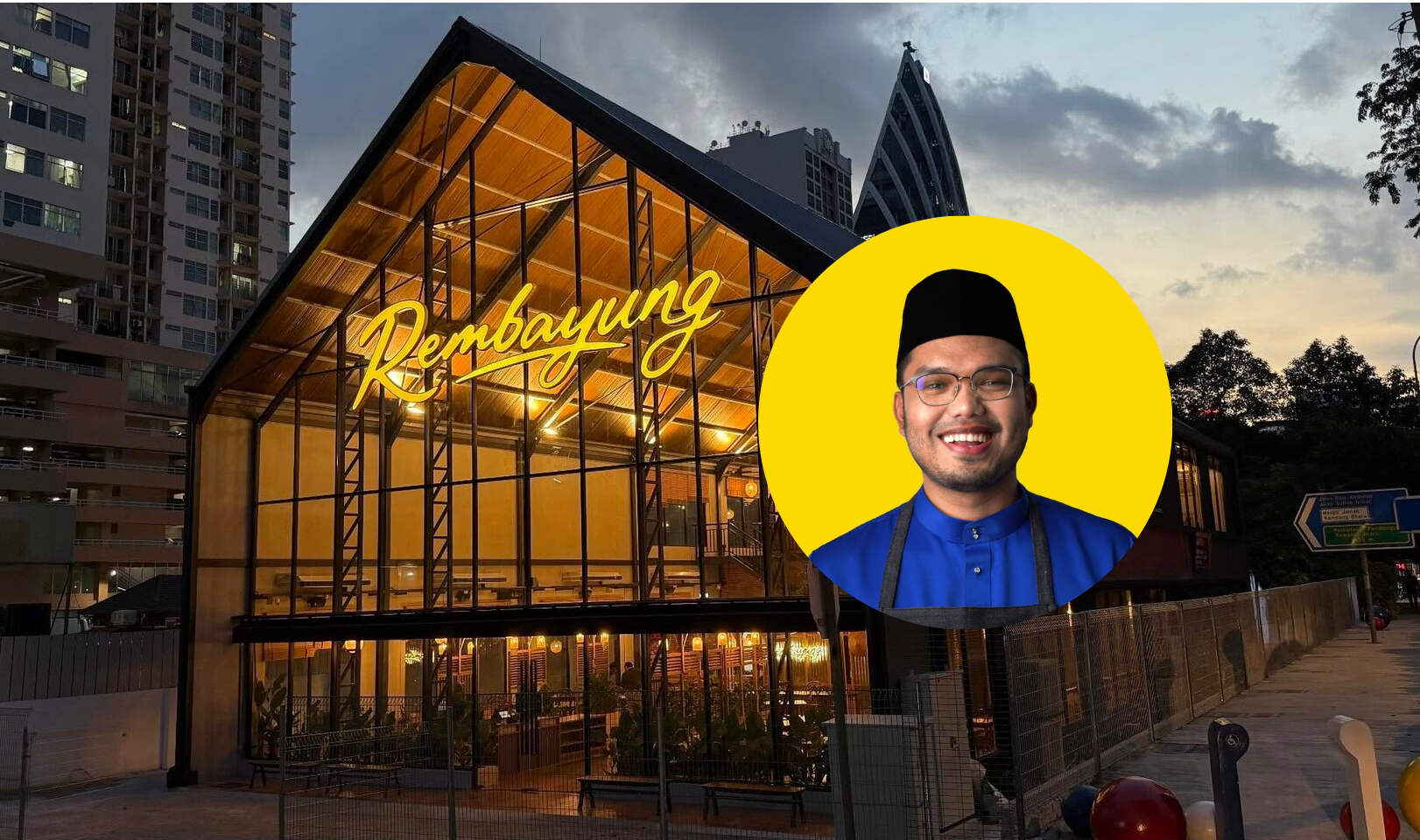
Khairul Aming isn’t just posting his annual “30 Hari 30 Resipi.” He’s bringing it offline — through Bazar Ramadan at Rembayung, his restaurant — while going live on TikTok to cook, share recipes, and show the behind-the-scenes in real time.
This is no longer just content.
It’s an ecosystem.
The Evolution: From Recipes to Reality
For nine years, “30 Hari 30 Resipi” has been a digital Ramadan ritual. Malaysians wait for the daily upload like it’s a TV episode.
Now?
He’s:
- Selling food physically
- Cooking live on TikTok
- Sharing recipes during livestream
- Turning viewers into customers
- Turning customers into content
- It’s full-circle influence.
The Bazaar, But Make It Creator-Led
Ramadan bazaars are already a cultural staple. But what Khairul Aming has done is layer creator economy mechanics onto it.
People aren’t just going for food.
They’re going because it’s his.
There’s:
- Brand trust
- Emotional attachment
- Digital familiarity
- Community identity
It feels less like a random stall and more like attending a live episode.
The Livestream Effect
The most interesting part this year?
He’s sharing cooking recipes during the TikTok Live itself.
That changes the dynamic.
He’s not gatekeeping knowledge.
He’s monetizing transparency.
People watching from home still feel included.
People at the bazaar feel like they’re part of something bigger.
It’s hybrid culture:
Online + Offline
Commerce + Community
Recipe + Reality
Why This Matters?
This shows how Malaysian creators are evolving.
We’re no longer in the era of:
“Post content, get views.”
We’re in:
“Build culture, build business, build community.”
Khairul Aming didn’t just build a following.
